A Brief History of Disposable Gloves in Modern Healthcare
Disposable gloves in healthcare have become an essential part of infection prevention and patient care. Today, medical professionals use them during examinations, surgical procedures, and many routine clinical tasks. However, gloves were not always a standard feature of medical practice. Their development reflects major changes in hygiene awareness, surgical techniques, and the understanding of how infections spread.
The history of glovesupply.us shows how a simple protective barrier became an important tool for healthcare workers and patients alike.
The Early Use of Gloves in Medical Practice
During the nineteenth century, surgery often carried significant infection risks. Medical professionals gradually began to recognize the importance of cleanliness, sterilization, and protective measures. Although some early healthcare workers used protective coverings, gloves were not yet a routine part of every medical procedure.
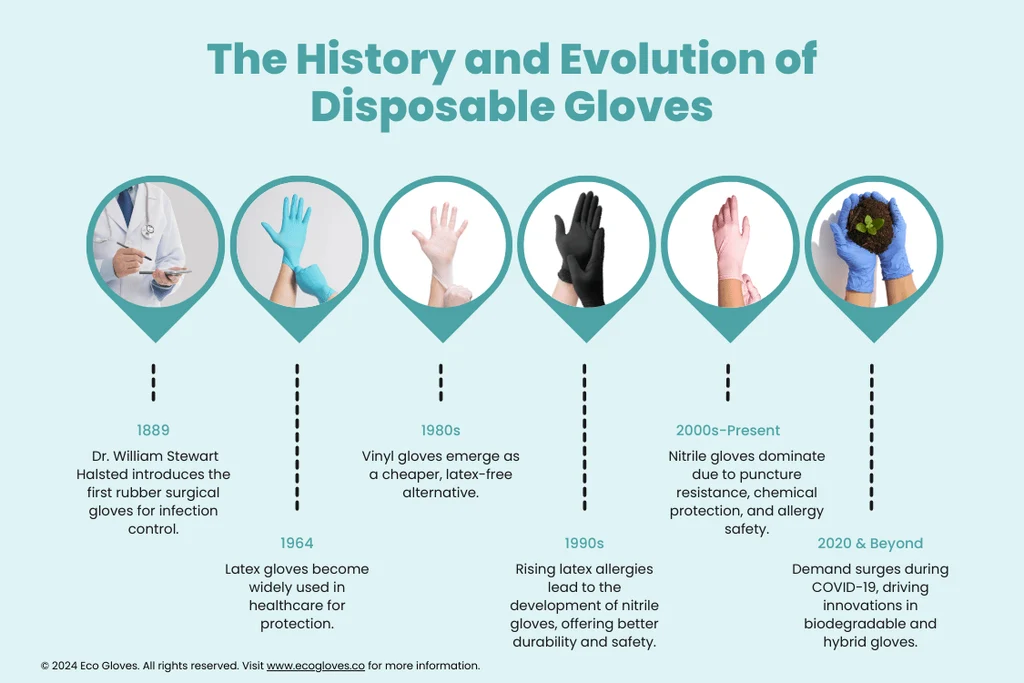
A major development occurred in the late 1800s when rubber surgical gloves gained acceptance in operating rooms. William Stewart Halsted, a surgeon at Johns Hopkins Hospital, is widely associated with introducing rubber gloves into surgical practice. The gloves initially helped protect a nurse’s hands from harsh antiseptic solutions, but their use also demonstrated practical benefits for maintaining cleaner surgical conditions.
The Development of Disposable Gloves in Healthcare
Early surgical gloves were generally reusable. Medical staff cleaned and sterilized them between procedures, which required careful handling and maintenance. Over time, manufacturers developed improved materials and production methods that made medical gloves more practical and accessible.
The introduction and wider adoption of disposable gloves changed healthcare routines. Instead of cleaning gloves for repeated use, staff could use a fresh pair for appropriate tasks and discard it afterward. This approach simplified glove management and helped reduce the risk of transferring contamination between patients when combined with proper hand hygiene and other infection-control practices.
Latex Gloves and Medical Protection
Natural rubber latex became a widely used material because it offered flexibility, elasticity, and a close fit. These characteristics allowed healthcare workers to perform delicate procedures while maintaining tactile sensitivity.
As glove use expanded, however, some healthcare workers and patients developed latex allergies. This concern encouraged manufacturers and healthcare organizations to consider alternative materials. Nitrile and other synthetic options gradually became important choices for people who needed latex-free protection.
Modern Materials and Disposable Glove Technology
Advances in manufacturing have expanded the range of gloves available to healthcare facilities. Nitrile gloves offer an alternative to natural rubber latex, while vinyl gloves may suit certain lower-risk tasks when their performance meets the intended use requirements. Material selection depends on factors such as fit, durability, chemical exposure, and the procedure being performed.
Modern production also places greater emphasis on consistent quality, suitable barrier performance, and compliance with applicable standards. Healthcare organizations evaluate these factors when choosing gloves for clinical use to support staff protection and patient safety.
Disposable Gloves in Today’s Healthcare Settings
Disposable gloves now serve many purposes across hospitals, clinics, laboratories, and community healthcare settings. Staff select gloves according to the task and follow established protocols for putting them on, changing them, and removing them safely.
Gloves do not replace hand hygiene, and wearing the same pair between patients or contaminated tasks can spread microorganisms. Healthcare professionals therefore combine appropriate glove use with hand cleaning, safe disposal, and other infection-prevention measures. These practices reflect how medical glove technology and clinical guidance have developed together over time.