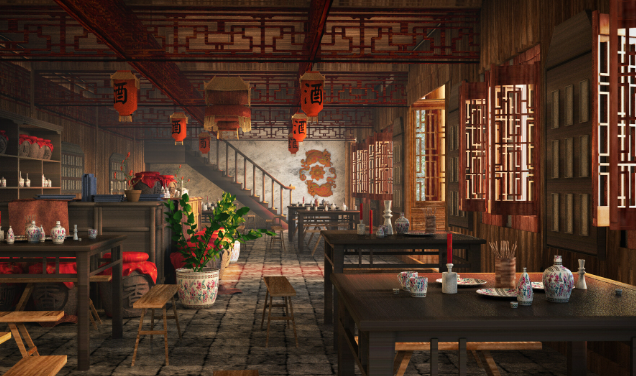
Chinese Restaurant Traditions That Shape Every Flavor
Chinese restaurant traditions influence far more than the appearance of a dish. They shape https://www.newhongkongchineserestaurant.com/ how cooks select ingredients, combine seasonings, prepare food, serve tea, and bring people together around the table. Centuries of culinary development have created techniques that allow simple ingredients to develop remarkable depth while maintaining their natural qualities. Steaming, stir-frying, braising, roasting, and other methods each produce distinctive textures and aromas. Regional customs add even more variety, giving Chinese cuisine a broad range of flavor profiles. The dining experience itself also carries tradition through shared dishes, communal tables, and tea service. When diners understand these elements, familiar restaurant favorites can take on new meaning, revealing the techniques and customs behind every bite.
Fresh Ingredients Guide Preparation
Ingredient selection plays an important role in traditional Chinese cooking. Fresh vegetables, seafood, meat, tofu, mushrooms, herbs, and aromatics each contribute distinct characteristics to a dish. Rather than covering every ingredient with heavy seasoning, cooks often choose preparation methods that allow its natural qualities to remain noticeable. Fresh fish may benefit from gentle steaming, while crisp vegetables can receive quick cooking over high heat. Ginger, garlic, and scallions can add fragrance without dominating the main ingredients. This approach creates dishes with recognizable flavors and varied textures. Restaurants that follow these principles can offer meals where freshness remains central, allowing diners to appreciate both the ingredients and the techniques used to prepare them.
Stir-Frying Creates Distinctive Flavor
Stir-frying remains one of the most recognizable techniques in Chinese cuisine. Cooks work with high heat and quick movements to prepare vegetables, meat, seafood, tofu, and noodles. This method can preserve crisp textures while allowing sauces and aromatics to coat each ingredient. Garlic, ginger, scallions, and other fragrant components can release their aromas rapidly in the wok, creating an appealing sensory experience. Timing matters because different ingredients require different cooking periods. Skilled preparation keeps vegetables lively while ensuring proteins reach the desired tenderness. The technique also allows restaurants to create countless combinations from relatively simple ingredients, making stir-fried dishes a versatile part of traditional Chinese restaurant menus.
Steaming Preserves Natural Qualities
Steaming offers a gentler approach that allows delicate ingredients to retain moisture, texture, and natural flavor. Fish, dumplings, buns, vegetables, and other foods can benefit from this method. Steamed fish often receives ginger, scallions, and a light sauce that enhances its flavor without overwhelming it. Dumplings maintain their tender wrappers and juicy fillings, while vegetables can remain vibrant and crisp. The technique demonstrates how Chinese cooking does not always depend on intense seasoning to create satisfying dishes. Instead, careful temperature control and fresh ingredients can produce remarkable results. For diners seeking lighter flavors, steamed specialties can provide an appealing alternative to fried or heavily sauced selections.
Braising Builds Deeper Layers
Braising allows ingredients to develop richer flavors over a longer cooking period. Meat, tofu, vegetables, and other ingredients can simmer in flavorful liquids containing soy sauce, spices, aromatics, or other seasonings. The slow process gives ingredients time to absorb those flavors while becoming tender. Traditional spice combinations can introduce warmth and fragrance without overpowering the dish. Braised preparations often work well as shared dishes because their rich character can complement simpler selections such as steamed rice or vegetables. The contrast between slow-cooked specialties and lighter dishes adds variety to the table while demonstrating how cooking time can influence both texture and flavor.
Regional Traditions Expand Variety
Chinese cuisine includes numerous regional traditions, each shaped by local ingredients and cultural history. Sichuan cooking often features chili and Sichuan peppercorns, creating bold and aromatic dishes. Cantonese cuisine frequently emphasizes freshness and balanced seasoning, while Northern Chinese traditions have strong connections to wheat-based foods such as dumplings, noodles, and steamed buns. Other regions contribute distinctive seafood, rice, fermented, and slow-cooked specialties. These differences prevent Chinese restaurant cuisine from fitting into one narrow flavor category. Exploring regional dishes allows diners to notice how geography influences cooking techniques, ingredient choices, and seasoning preferences. Every regional tradition adds another layer to the broader culinary landscape.
Dumplings Preserve Shared Customs
Dumplings connect food with social traditions as well as culinary technique. Families can prepare dough and fillings together, creating an activity that brings people into the kitchen. Restaurants continue this tradition through steamed, boiled, and pan-fried dumplings filled with meat, seafood, vegetables, or mushrooms. Different fillings and cooking methods create distinct flavor and texture combinations. Dipping sauces add another opportunity for customization, allowing diners to introduce vinegar, chili, soy, or sesame notes. Sharing a plate also reflects the communal character of Chinese dining. Dumplings therefore combine craftsmanship, variety, and social interaction within one familiar category of food.
Tea Supports the Dining Ritual
Tea adds an important cultural element to the Chinese restaurant experience. Jasmine tea, green tea, oolong, and pu-erh can accompany meals while providing different aromas and levels of intensity. Guests can drink tea between dishes, refresh their palate, and continue conversations while sharing food. The act of pouring and refilling cups contributes to the rhythm of the meal. Tea can also provide a useful contrast to fried foods, rich sauces, and spicy preparations. Its role demonstrates that Chinese dining traditions extend beyond the kitchen. Beverage choices, table customs, and social interactions can all influence how diners experience a meal.
Shared Plates Encourage Balance
Communal dining allows several dishes to work together as one meal. Instead of ordering separate entrées, diners can choose selections with different flavors, textures, and cooking techniques. Rich roasted meat can sit beside fresh vegetables, while spicy dishes can pair with mild rice or delicate seafood. Dumplings and noodles can provide comforting staples, while soups and tea add lighter elements. This variety creates balance across the table rather than forcing one dish to provide everything. Sharing also encourages diners to taste unfamiliar foods and compare their preferences. The tradition turns dining into a collective experience where every dish contributes to the overall flavor journey.
Aromatics Define the First Impression
The aroma of Chinese food often begins before the first bite. Garlic, ginger, scallions, sesame, dried spices, and other fragrant ingredients can release powerful aromas during cooking. Wok cooking can intensify these scents, while roasting and braising develop deeper fragrances over time. Aromatics help establish the identity of a dish before diners even taste it. They can also connect different dishes across a shared table, creating a sense of harmony despite differences in ingredients. This focus on fragrance shows why Chinese cooking considers aroma an essential part of flavor rather than an incidental detail.
Texture Shapes the Dining Experience
Traditional Chinese cooking pays close attention to texture, creating contrasts that keep meals engaging. Crispy vegetables can accompany tender meat, while chewy noodles can contrast with silky tofu or delicate seafood. Dumplings may offer soft wrappers and juicy fillings, while roasted dishes introduce crisp surfaces. These differences make each bite feel distinct and prevent a shared meal from becoming monotonous. Cooking methods strongly influence these textures, which explains why the same ingredient can feel completely different after steaming, frying, braising, or roasting. Diners who pay attention to texture can gain a deeper appreciation for the precision behind Chinese restaurant cooking.
Tradition Continues Through Modern Dining
Chinese restaurants continue to adapt traditional practices while introducing modern presentation, ingredients, and dining concepts. Chefs may refine classic recipes, highlight regional specialties, or combine established techniques with contemporary ideas. Despite these changes, many fundamental principles remain recognizable. Fresh ingredients, careful cooking, balanced seasoning, communal dining, and tea continue to shape the experience. This combination allows Chinese cuisine to evolve without losing its culinary identity. For diners, every restaurant meal can therefore provide both familiarity and discovery. Traditional methods remain visible through the flavors and textures on the table, even as restaurants find new ways to present them.