
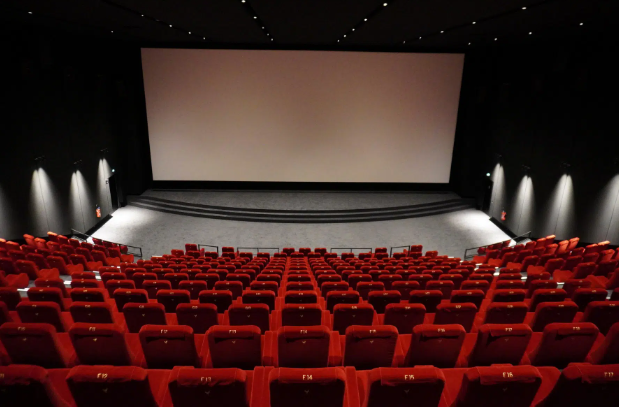
Cinema continues to play a central role in shaping how films are presented https://thevillagegroupe.com/ and accessed in the modern entertainment landscape. While viewing habits have expanded through digital platforms, theaters remain a key reference point for quality, immersion, and storytelling impact. The evolution of cinema is not just about technology, but also about how audiences connect with films in more flexible and meaningful ways.
Advancements in Film Presentation Technology
Modern cinema presentation has transformed significantly with the adoption of digital projection, laser imaging, and high-resolution formats. These technologies allow films to be displayed with greater clarity, brightness, and color accuracy than ever before. As a result, filmmakers can present their creative vision more precisely, while audiences enjoy a more vivid and immersive visual experience that enhances storytelling depth. Sound and visuals now work together more seamlessly in modern cinema environments. Advanced surround sound systems and spatial audio technologies create a multi-dimensional listening experience that matches on-screen action. Combined with large-format screens and enhanced projection systems, this integration helps audiences feel more emotionally connected to the story and fully absorbed in the cinematic world.
Expanding Access Through Digital Distribution
One of the biggest shifts in the film industry is the way audiences access content. Digital distribution has made it possible for films to reach global viewers almost instantly. Streaming platforms, online rentals, and hybrid release models have expanded accessibility, allowing audiences to choose how and when they watch films. This shift has changed the traditional exclusivity of cinema while increasing overall content availability. Despite digital growth, cinema theaters still offer a unique value that home viewing cannot fully replicate. The combination of large screens, powerful sound systems, and shared audience reactions creates a heightened emotional experience. This makes theaters especially important for blockbuster releases and visually rich films where immersion plays a key role in storytelling impact.
Hybrid Release Models and Industry Adaptation
The film industry has increasingly adopted hybrid release strategies that combine theatrical and digital distribution. Movies may premiere in cinemas while simultaneously or shortly after becoming available on streaming platforms. This approach reflects the need to balance traditional cinema revenue with modern viewing habits, ensuring that films reach the widest possible audience without losing their theatrical appeal. As access to content becomes easier, audience expectations continue to rise. Viewers now demand higher quality visuals, faster access, and more personalized recommendations. This has pushed cinemas and streaming platforms alike to innovate continuously. The focus has shifted from simply providing content to delivering a complete and satisfying viewing experience.
Cinema as a Benchmark for Quality
Even in a digital-first world, cinema remains the standard for high-quality film presentation. Many streaming platforms and home entertainment systems are designed to replicate the cinematic experience as closely as possible. This reinforces the cinema’s role as the benchmark for visual and audio excellence in the entertainment industry. Looking ahead, cinema will likely continue evolving alongside digital platforms rather than competing directly with them. Emerging technologies such as AI-driven recommendations, immersive storytelling formats, and interactive viewing experiences may further reshape how audiences engage with films. The future of cinema lies in blending accessibility with high-quality presentation to create more flexible and engaging ways to experience storytelling.